7 Best Water Softeners for Well Water Homes (November 2026)
The best water softeners for well water include the Fleck 5600SXT 48K Softener and Iron Filter for iron and hardness, the Fleck 5600SXT Iron Blaster 48K Softener for higher-iron wells, and the Kenmore 420 40 for family households.
On this page (7 sections)
- Which water softener is best for well water?
- The best water softeners for well water homes
- How do you choose the best water softener for well water?
- When should you choose a filter with your softener?
- How should you set up and care for a well water softener?
- What mistakes should you avoid when choosing a well water softener?
- Which well water softener should you choose?
The best water softener for well water depends on your test results, especially hardness, iron form and iron level. The Fleck 5600SXT 48K combines softening with fine mesh resin; Kenmore and EcoPure publish clear-water iron limits.
Well water can vary from one home to the next. Test the water before choosing a system, then compare the results with its capacity and stated treatment range.
A softener is designed to address hardness, and some models also target certain types of iron. For other concerns, see our guide to whole-house water filters for well water and our water softener and filter combo picks.
Our picks at a glance
-
1
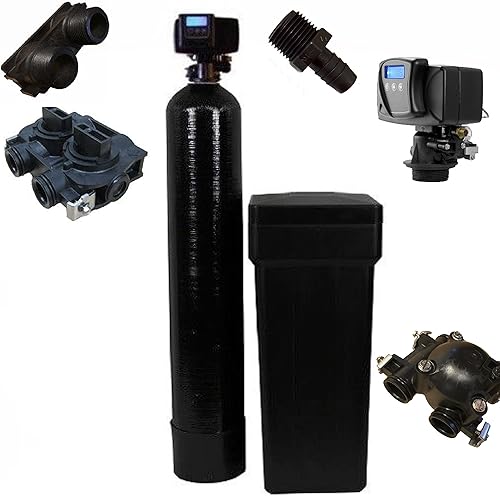 Best for iron and hardness
Fleck 5600SXT 48K Softener and Iron Filter
8.3/10 our score
See it on Amazon -
2
Best for higher-iron wells
Fleck 5600SXT Iron Blaster 48K Softener
8.2/10 our score
See it on Amazon -
3

- 4
 Check it
AFWFilters Fleck Iron Pro 2 Softener
Best for manganese concerns - 5
 Check it
EcoPure EP42 42,000 Grain Softener
Best for clear-water iron - 6
 Check it
PRO+AQUA Elite 5-Stage Softener and Filter Bundle
Best for multi-stage treatment - 7
 Check it
AFWFilters Iron Pro 1.5 Cu Ft 48K Softener
Best for low iron levels
Which water softener is best for well water?
The best water softener for well water is the one sized for your household and suited to the water test. These picks include metered softeners, systems with iron treatment claims, and a bundle with separate filtration equipment.
| Product | Best for | Capacity | Resin | Regeneration | Our score |
|---|---|---|---|---|---|
| Fleck 5600SXT 48K Softener and Iron Filter | iron and hardness | 48,000 grains | Fine mesh | Metered | 8.3 |
| Fleck 5600SXT Iron Blaster 48K Softener | higher-iron wells | 48,000 grains | Fine mesh | 8.2 | |
| Kenmore 420 40,000 Grain Softener | family households | 40,000 grains | 8.1 | ||
| AFWFilters Fleck Iron Pro 2 Softener | manganese concerns | 48,000 grains | 7.9 | ||
| EcoPure EP42 42,000 Grain Softener | clear-water iron | 42,000 grains | 7.6 | ||
| PRO+AQUA Elite 5-Stage Softener and Filter Bundle | multi-stage treatment | 7.2 | |||
| AFWFilters Iron Pro 1.5 Cu Ft 48K Softener | low iron levels | 48,000 grains maximum | 1.5 cu ft fine mesh | 7.0 |
The scores reflect how each system’s features match common well-water needs, including hardness treatment, stated iron handling and filtration options.
The best water softeners for well water homes
These systems address different needs, from softening with fine mesh resin to a multi-stage filtration bundle. Decide what your test requires before comparing capacities or choosing a system with extra stages.
Fleck 5600SXT 48K Softener and Iron Filter: Best for iron and hardness
- 48,000-grain capacity
- Fine mesh resin
- Metered regeneration
- Maker says it treats ferrous iron and some ferric iron
This combination system pairs softening with fine mesh resin for well water. DuraWater describes it as treating ferrous iron and some ferric iron.
Pros
- Softener and iron filter in one unit
- Metered regeneration
- DIY instructions and bypass valve included
Cons
- Iron treatment details are maker claims
- Confirm the system fits your well water chemistry
The Fleck 5600SXT 48K Softener and Iron Filter combines hardness treatment with fine mesh resin. DuraWater describes the resin as designed for iron removal and water conditioning, including ferrous iron and some ferric iron.
Its 48,000-grain capacity, metered regeneration and maximum flow rate of 14 gpm make it a candidate for homes with 2–5 people and 2–3 bathrooms. Metered regeneration tracks water use and regenerates when needed.
Choose it if you want softening and iron treatment in one system and your test matches the maker’s guidance. Skip it if your water needs broader contaminant treatment or the iron form and level fall outside that guidance.
The system includes a bypass valve and DIY instructions. Before setup, confirm there is room for the tank, brine tank and plumbing connections.
Fleck 5600SXT Iron Blaster 48K Softener: Best for higher-iron wells
- 48,000-grain capacity
- Fine mesh resin
- Digital metered control valve
- DuraWater positions it for well water with higher iron
The Iron Blaster uses fine mesh resin and a metered Fleck valve. DuraWater positions it for well water with higher iron, but confirm its treatment range against your test.
Pros
- Fine mesh resin
- Metered regeneration
- Brine tank includes a safety float
Cons
- No numeric iron limit is available
- Confirm installation needs before choosing
The Fleck 5600SXT Iron Blaster 48K Softener uses fine mesh resin and a metered Fleck valve. DuraWater positions it for well water with higher iron, but no numeric iron maximum is available in the product facts.
Its 48,000-grain capacity suits buyers who want a system sized around household hardness and water use. The brine tank has a safety float and overflow drain protection.
Choose this model if fine mesh resin and access to support for valve programming are priorities, and you can confirm its iron range with DuraWater. Skip it if you need a published numeric iron limit to make your choice.
Plan the location around both tanks and a suitable drain. Follow the included instructions for installation and valve programming.
Kenmore 420 40,000 Grain Softener: Best for family households
- 40,000-grain capacity
- Kenmore says it reduces clear-water iron up to 10 ppm
- Built-in sediment screen
- Designed for households of 1–5 people
Kenmore gives a numeric clear-water iron figure and includes a sediment screen. Its iron limit and well-water suitability are maker claims.
Pros
- Clear-water iron figure stated by Kenmore
- Built-in sediment screen
- IntelliSoft regeneration technology
Cons
- Iron figure is a maker claim
- Maximum flow rate is 7.7 gpm
The Kenmore 420 40,000 Grain Softener is designed for households of 1–5 people and includes a built-in sediment screen. Kenmore says it reduces clear-water iron up to 10 ppm.
The system uses IntelliSoft to adapt regeneration to household water use. Its stated maximum flow rate is 7.7 gpm, so consider how many fixtures may run at once when choosing it for a busy home.
Choose the Kenmore if your test shows clear-water iron within its stated range and you want a sediment screen built into the softener. Skip it if your flow needs exceed the stated rate or your well has ferric iron or other contaminants requiring separate treatment.
A bypass valve and installation kit are included. Follow the installation directions and check the flow rate against your household’s peak demand.
AFWFilters Fleck Iron Pro 2 Softener: Best for manganese concerns
- 48,000-grain capacity
- AFWFilters gives a 4–7 ppm iron range
- Maker says manganese removal is up to 6 ppm
- Fine mesh resin
This combination unit uses fine mesh resin and a metered Fleck valve. AFWFilters provides iron and manganese ranges to compare with a well test.
Pros
- Fine mesh resin
- Digital metered valve
- Install kit included
Cons
- Removal ranges are maker claims
- Other well contaminants may need separate treatment
The AFWFilters Fleck Iron Pro 2 combines fine mesh resin with a digital metered Fleck 5600SXT valve. AFWFilters gives a 4–7 ppm iron range and says the system removes manganese up to 6 ppm.
AFWFilters also describes treatment for hardness up to 70 gpg, sediment, sand and rust. Compare each claim with your water test, since different forms and levels of iron can call for different treatment.
Choose this model if your test shows iron and manganese within the stated ranges and you want a single system for softening and some iron treatment. Skip it if your results exceed those ranges or point to contaminants that need other filtration.
The included install kit can help with setup. Use the system’s control settings to balance capacity and salt use according to the manufacturer’s instructions.
EcoPure EP42 42,000 Grain Softener: Best for clear-water iron
- 42,000-grain capacity
- EcoPure says it reduces clear-water iron up to 11 ppm
- AutoSense regeneration
- Designed for city or well water
EcoPure pairs a 42,000-grain softener with AutoSense regeneration. Its iron figure applies to clear-water iron and is a maker claim.
Pros
- Clear-water iron maximum stated
- AutoSense calculates salt and water for regeneration
- Designed for city or well water
Cons
- Iron figure is a maker claim
- Professional installation is specified
The EcoPure EP42 has a 42,000-grain capacity and AutoSense regeneration. EcoPure says it reduces clear-water iron up to 11 ppm and designed the system for city or well water.
AutoSense calculates the salt and water needed for regeneration. EcoPure describes the EP42 as NSF certified, and professional installation is specified.
Choose it if your results show clear-water iron within the stated range and you prefer a system designed to calculate its regeneration needs. Skip it if your iron is ferric, your test identifies other contaminants that need treatment, or you plan to install the system yourself.
Use the test report to confirm the iron form before arranging professional setup. Follow the installation and maintenance guidance for the system.
PRO+AQUA Elite 5-Stage Softener and Filter Bundle: Best for multi-stage treatment
- Softener plus filtration bundle
- Includes an 80,000-grain softener
- Designed for well water
- PRO+AQUA describes filtration for iron, sulfur and sediment
This bundle combines a softener with well-water and whole-house filtration systems. Match its broad treatment claims to your water test before buying.
Pros
- Softener and filtration equipment together
- Designed for small to medium well-water households
- Automatic regeneration on two systems
Cons
- Contaminant removal claims need verification for your water
- 325 lb total weight needs delivery and installation planning
The PRO+AQUA Elite 5-Stage bundle combines three systems: the PRO-S-80E softener with 80,000-grain capacity, a PRO-WELL-1E well-water system and a PRO-100-E 3-stage filtration system. PRO+AQUA describes the bundle as targeting concerns that include iron, sulfur and sediment.
This is the broadest setup in the group, with a maximum flow rate of 10 gpm. Its listed total weight is 325 lb, so delivery access, floor space and installation planning matter.
Choose the bundle if your test shows hardness plus contaminants that match its filtration stages and you want the equipment together. Skip it if you only need softening or have not confirmed which contaminants your well contains.
Ask a water treatment professional to compare your test results with each stage before installation. For a household that needs only hardness treatment, a standalone softener is a simpler system to plan and maintain.
AFWFilters Iron Pro 1.5 Cu Ft 48K Softener: Best for low iron levels
- 48,000-grain maximum capacity
- AFWFilters says fine mesh resin removes up to 6 ppm ferrous iron
- Metered on-demand regeneration
- Stainless steel bypass
This AFWFilters system pairs fine mesh resin with a metered Fleck valve. AFWFilters recommends a separate iron filter for ferric iron or levels above its stated range.
Pros
- Fine mesh resin
- Installation and programming booklet included
- Stainless steel bypass
Cons
- Iron limit is a maker claim
- Maximum capacity depends on settings and water chemistry
The AFWFilters Iron Pro 1.5 Cu Ft 48K Softener uses fine mesh resin and a Fleck 5600SXT metered valve. AFWFilters says the resin removes up to 6 ppm of ferrous iron and recommends a separate iron filter for ferric iron or higher levels.
Its maximum capacity is 48,000 grains, though actual capacity depends on settings and water chemistry. AFWFilters advises adding 4 gpg for each ppm of iron when calculating compensated hardness for this model.
Choose this system if your test shows ferrous iron within the stated range and you want metered regeneration. Skip it if you have ferric iron or higher levels and do not plan to add separate iron treatment.
The package includes a bypass, brine tank and installation and programming instructions. Its stainless steel bypass uses a 3/4 in FNPT connection, so check that the plumbing matches before setup.
How do you choose the best water softener for well water?
Start with a water test, then compare hardness, iron form, iron level, household use and any contaminants that need filtration. Buying from capacity alone can leave you with a system that is too small or that does not treat the problem you have.
What should you test before buying?
Test hardness and iron at a minimum, including iron form when possible. If you have concerns beyond hardness and iron, test for those too so you can choose the right treatment stages.
A home hardness kit can help with an initial check, but use a suitable water test for well-water treatment decisions. See our guide to testing water hardness at home for the basics.
Does iron type change which softener fits?
Yes. Clear-water ferrous iron and ferric iron behave differently in treatment systems, and each model’s stated range may apply only to one form.
Kenmore and EcoPure give limits for clear-water iron. AFWFilters says its Iron Pro 1.5 Cu Ft model handles ferrous iron up to 6 ppm and recommends separate filtration for ferric iron or higher levels.
Use your results to check that a model addresses the iron you have. Our guide to water softeners for iron in well water explains when a softener may fit and when another filter may be needed.
How should you compare iron limits?
Compare the iron form, concentration and stated units, not just the largest number. A limit for clear-water iron does not automatically apply to ferric iron.
These figures are maker claims. If your results are close to a stated limit, or show more than one form of iron, ask the manufacturer or a water treatment professional whether the system fits.
How do you size a softener for a well?
Sizing depends on hardness, household water use and iron that the softener is expected to handle. AFWFilters advises adding 4 gpg for every ppm of iron when calculating compensated hardness for its Iron Pro 1.5 Cu Ft system.
Use the manufacturer’s instructions and your test results to compare the needed capacity with the system’s capacity. Our water softener grain capacity guide explains the factors to consider.
When should you choose a filter with your softener?
Choose separate filtration when a water test shows issues that a softener does not address. Some picks include a sediment screen or make iron treatment claims, but that does not mean they cover every contaminant in a well.
A softener mainly treats hardness through ion exchange. Systems such as the PRO+AQUA bundle add filtration equipment, while a separate whole-house filter may make sense for a narrower treatment need.
Compare the stages with your test results in our guide to whole-house water filters for well water. If you are weighing a combined setup, see our water softener and filter combo guide.
How should you set up and care for a well water softener?
Install the system where the plumbing, drain and available space suit its tanks, then program it using your test results and household use. Check the manufacturer’s directions before connecting or setting the valve.
Plan the route for the inlet and outlet plumbing, bypass valve, drain and power where required. The Fleck systems listed here use corded electric valves, while the Kenmore 420 is specified with no power source required.
After installation, set the hardness and regeneration settings as directed for the specific model. Keep salt at the level recommended by the manufacturer, and check the brine tank and bypass valve during routine care.
Do not assume the same settings fit every well. If hardness or iron changes, retest the water and review the system settings; see our water softener maintenance checklist for regular care tasks.
What mistakes should you avoid when choosing a well water softener?
The most common mistakes are choosing by grain capacity alone, treating all iron claims as interchangeable and assuming a softener removes every well-water contaminant. A test and a clear treatment plan help prevent those mismatches.
Do not compare a ferrous iron limit with a ferric iron result as though they were the same. Do not count a sediment screen as a complete filtration system, either.
Also check household flow, tank space, drain access and installation needs. The PRO+AQUA bundle is heavy, the Kenmore has a stated 7.7 gpm maximum flow rate, and EcoPure specifies professional installation.
Which well water softener should you choose?
Choose the Fleck 5600SXT 48K Softener and Iron Filter if you want a metered softener with fine mesh resin and your iron results fit DuraWater’s guidance. Choose Kenmore or EcoPure when their clear-water iron limits match your test, and choose PRO+AQUA when you need its bundled filtration stages.
For iron and manganese ranges, compare the AFWFilters Iron Pro 2; for ferrous iron up to its stated limit, consider the AFWFilters Iron Pro 1.5 Cu Ft. The best water softener for well water is the system whose capacity and treatment scope fit a recent water test, so check your results before buying.
Our top 3 picks at a glance
-
1
Best for iron and hardness
Fleck 5600SXT 48K Softener and Iron Filter
8.3/10 our score
See it on Amazon -
2
Best for higher-iron wells
Fleck 5600SXT Iron Blaster 48K Softener
8.2/10 our score
See it on Amazon -
3
Frequently asked questions
Can a water softener remove iron from well water?
Some softeners are designed to reduce certain forms of iron, especially clear-water ferrous iron. Limits vary by model, so compare your test results with the exact iron form and range each maker describes.
Ferric iron, sediment or higher iron levels may call for separate filtration.
Use a current water test before choosing a system.
What does a water test tell me before buying a well water softener?
A well water test can identify hardness, iron and other issues that may need treatment. Use the results to compare each system's stated limits and decide whether a softener alone is suitable.
For home hardness checks, see our water hardness testing guide.
Is a softener and filter combo better for well water?
A combo can suit a home whose test shows both hard water and contaminants that need filtration. The right setup depends on the specific contaminants, because a softener does not address every well-water concern.
Compare the treatment stages in our well water filter guide.
How should you size a softener for well water?
Size a softener using water hardness, household use and any iron the system is meant to handle. Iron can affect the sizing calculation, so follow the model's instructions and use your test results.
Our water softener grain size guide explains the capacity factors.


