How Much Does It Cost to Install a Water Softener?
The cost to install a water softener depends on the system, plumbing access, and changes needed at the installation site. Get an itemized quote that separates equipment, labor, permits, and follow-up work.
On this page (9 sections)
- What determines the cost to install a water softener?
- Does the type of softener change installation work?
- How do plumbing access and the installation site affect the quote?
- Which parts may appear as separate installation costs?
- Does water hardness affect the size and total cost?
- Do permits or inspections add to the installation cost?
- Is professional installation worth it?
- What should an installation quote include?
- How can you plan the cost to install a water softener?
The cost to install a water softener depends on the system, plumbing access, and changes needed at the installation site. Ask for an itemized quote that separates equipment, labor, permits, plumbing changes, and startup work.
There is no useful one-size estimate without knowing the home and system. A straightforward replacement can involve different work from a first-time installation that needs new drain, power, or water-line connections.
What determines the cost to install a water softener?
The biggest cost factors are the softener you choose and the work required to connect it. The installer needs to know the system type, where it will go, and how the water line and drain are arranged.
A quote may include equipment, labor, fittings, valves, bypass connections, drain tubing, electrical work, and permit fees. Ask which items are included and which could be added if the installer finds a problem.
The proposed location can affect labor. A clear space near the main water line and a suitable drain may take less preparation than a cramped spot far from those connections.
For an initial estimate, share photos of the plumbing area, the home’s water source, and the softener model under consideration. Photos can help an installer identify questions, but they do not replace an on-site assessment when one is needed.
Does the type of softener change installation work?
Yes, system design affects the connections, space, and setup involved. A salt-based ion-exchange softener commonly needs a drain line for regeneration discharge, while other systems may have different installation requirements.
Check the system manual for connection sizes, clearances, drain routing, and electrical needs before choosing a location. A water softener should connect to the home’s plumbing in a way that lets you isolate or bypass it for service.
If you are comparing whole-house options, our guide to water softener systems for home use explains the main choices and what to consider for household size. You can also compare whole-house water softener systems once you know what type and capacity suit your home.
A system bundle may include some of the equipment needed for setup. The Aquasana SimplySoft bundle includes a pre-filter and installation kit, and Aquasana describes its 40,000-grain system as suitable for homes with up to 5 people and 4 bathrooms.
Included parts can simplify shopping, but they do not tell you whether the connections match your home. Have the installer confirm the pipe size and fittings before ordering.
How do plumbing access and the installation site affect the quote?
A suitable installation area can reduce extra preparation. The softener needs room for its tanks and service access, plus the required plumbing connections.
The installer may need to reroute pipes, add shutoff or bypass valves, or extend a drain connection. An outlet or code requirement can also affect the work, depending on the system and local rules.
Look for a location close to the main water line and an approved drain, with enough room to refill salt or reach the controls if the system uses them. Keep the equipment protected from temperatures or conditions the manufacturer does not allow.
Our guide to where to install a water softener covers placement considerations. Take measurements and share them with the installer before buying a system.
Which parts may appear as separate installation costs?
Parts and accessories may be included with the system or charged separately. Ask the installer to list any connector hoses, filter housings, shutoff valves, drain tubing, and other fittings in the quote.
An installation kit can help when it matches the system and your plumbing. Aquasana describes its WS-STD kit as an add-on to a complete system.
The kit includes a pre-filter housing, so confirm whether it fits the system you plan to install and whether any other components are needed. It is not a substitute for checking the full installation instructions.
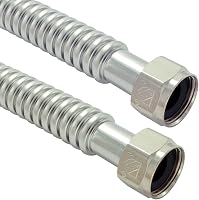
Flexible connectors may suit a compatible connection, but the size and fitting type must match the system and home. The TTFLEX connectors are 24 inches long, with 1-inch FIP connections at each end.
Ask the installer to specify the connector length and ends before buying. A hose that looks close may not connect to your softener or existing pipes.
Does water hardness affect the size and total cost?
Water hardness helps determine the capacity you need, which can affect the system you buy. Household size and water use also matter, so choose capacity based on your actual needs rather than buying the largest unit by default.
A water test gives you a useful starting point. Then estimate how much water your household uses and discuss the results with a qualified installer or use the manufacturer’s sizing guidance.
Use our guide to how many grains of water softener you need to understand the sizing factors. If you install a system that is poorly matched to the home, it may regenerate too often or fail to keep up with demand.
For a compatible whole-house system, the Kenmore 420 has a 40,000-grain capacity. Kenmore describes it for households of 1 to 5 people and says it reduces hardness and clear-water iron; confirm that its capacity and stated limits fit your water test and plumbing.
Included parts do not guarantee an easy installation. Have the installer check the connection requirements, available space, and whether the system suits your water conditions.
Do permits or inspections add to the installation cost?
Permit and inspection requirements depend on your local rules and the work involved. Ask your city or county building department whether a permit is needed, and have the installer state who will arrange it.
Requirements can differ for a simple replacement and new plumbing work. The quote should show permit fees or clearly identify them as excluded, so you know whether they may be added.
Use a qualified, properly licensed plumber where local rules require one. Keep the permit record and installation paperwork with the softener manual for future service.
Is professional installation worth it?
Professional installation can make sense if the job requires plumbing changes, electrical work, or permit coordination. It can also help when you are unsure how to route a regeneration drain or connect a bypass.
DIY may be reasonable for someone with the right skills and a system designed for their plumbing, but follow the manufacturer’s instructions closely. Check local code, warranty terms, and whether the work could affect home insurance before starting.
Ask the installer to explain the startup process and show you how to use the bypass, if fitted. Our guide to water softener maintenance covers routine checks after installation.
What should an installation quote include?
A useful quote names the equipment, labor, parts, permits, and work the installer will complete. Compare written quotes with the same scope, not just the final total.
Ask whether the quote includes removing an old unit, adding or changing a bypass, drain routing, electrical work, testing for leaks, programming the control valve, and cleanup. Confirm what happens if the installer finds damaged pipes or an unsuitable drain.
Before you accept, check the proposed system model and capacity against your water test and household use. A clear scope helps you understand the work before the installation date.
How can you plan the cost to install a water softener?
The cost to install a water softener is easiest to plan when you confirm the system, location, and plumbing needs before requesting quotes. Start with a water test, then ask two or more installers for itemized scopes you can compare.
Choose the system capacity that fits your household, and check whether the needed fittings or installation kit are included. If you are still comparing system types, start with how to choose a water softener for your home.
Frequently asked questions
What affects the cost to install a water softener?
The system type, existing plumbing, access to the main water line, drain and power availability, and local permit rules can all affect an installation quote. Ask the installer to separate equipment, labor, required plumbing changes, permits, and startup or follow-up work so you can compare the same scope.
Can I install a water softener myself?
Some homeowners may be able to install a system if they have the plumbing skills, tools, and a suitable location, but local rules and the system instructions matter. Check permit requirements and whether the work affects a warranty before deciding; call a licensed plumber if the job involves unfamiliar pipe changes.
Does a water softener need a drain and power outlet?
Many salt-based softeners need a drain connection for regeneration discharge and an electrical supply for the control valve, but requirements vary by model. Check the installation manual for the exact clearances, connections, and outlet needs, then confirm the proposed spot can meet them.
Should I get a water test before installing a softener?
Yes, test your water first so you know its hardness and can size the system for household use. If you use well water, check for other issues that may need separate treatment; a softener is designed for hardness minerals, and its suitability depends on the water and the system's limits.