What Does a Water Softener Bypass Valve Do?
A water softener bypass valve routes water around the softener so you can isolate the unit for service and keep water flowing through the home. Choose a replacement by model, valve size, and connection style.
On this page (8 sections)
- What does a water softener bypass valve do?
- When should you put a softener in bypass?
- How do you tell if the valve is in bypass?
- How do you choose a replacement bypass valve?
- Do connectors or an installation kit replace the bypass valve?
- How should you set up and care for the bypass valve?
- What mistakes should you avoid with a water softener bypass valve?
- Which bypass valve option should you choose?
A water softener bypass valve sends water around the softener when you need to isolate the unit for service. The home can still receive water, but that water skips the softener and remains untreated by it.
Choose a replacement by the softener model, valve size, and connection style. A part that fits one system from a familiar brand may still be wrong for another model.
What does a water softener bypass valve do?
A bypass valve switches water between the softener’s treatment path and a route around it. In service mode, water passes through the unit; in bypass mode, it continues through household plumbing without softening.
This lets you clean, repair, or isolate the unit without shutting off water to the entire home. The valve’s handle or control layout varies, so use the labels on your unit and its manual to identify each position.
If you’re comparing treatment options, see how a water softener differs from a water filter. A bypass valve controls flow around a softener; it doesn’t filter or soften water on its own.
When should you put a softener in bypass?
Use bypass when the softener needs maintenance or repair, following the manual’s directions. It can also be useful if you need to isolate the unit while a technician works on it.
Common reasons include cleaning around the resin tank, addressing a leak, or replacing a compatible valve part. The water softener maintenance checklist can help you plan routine care that may involve shutting off or isolating the system.
If the softener stops working, bypass can keep water available while you investigate. Start with what to check when a water softener is not working and use the system instructions before moving any controls.
A brief comparison of water in service and bypass may help you identify whether treatment is affecting a problem, if your manual allows that check. Remember to return the valve to service afterward, or the home will keep receiving untreated water.
How do you tell if the valve is in bypass?
Read the position labels on the valve or softener and confirm them in the manual. Lever direction alone isn’t a reliable guide because designs differ.
Some systems use one control, while others have separate controls for the inlet and outlet. Move the valve only as instructed, and don’t force a handle that feels stuck.
After changing its position, check nearby connections for drips and confirm that water flow behaves as expected. If the valve won’t move or water flow changes unexpectedly, stop and contact the manufacturer or a qualified plumber.
What should you do after softener service?
Return the valve to its service position according to the manual, then check for leaks and confirm that water is flowing through the softener. Follow any restart or regeneration steps the manufacturer specifies.
If you’re planning a new installation, where to install a water softener covers location considerations before you connect the unit.
How do you choose a replacement bypass valve?
Choose by exact softener model, valve body size, and the way the part connects. Check the manual, model label, and existing fittings before ordering; brand name alone doesn’t confirm compatibility.
A 1-inch high-flow bypass kit and a 3/4-inch bypass valve serve different valve sizes. Also check whether the replacement needs clips, adapters, or O-rings, and whether those pieces come with it.
The 7345396 kit suits owners whose compatible softener uses a 1-inch high-flow valve and who need the included adapters, clips, and O-rings. It fits many Kenmore, GE, Whirlpool, Morton, NorthStar, EcoWater, and EcoPure systems, but it won’t fit the smaller-sized model.
Skip this kit if your softener has a smaller valve or you can’t confirm that it uses the matching high-flow style. Check your system’s model and valve before buying.
The Kenmore 7278434 suits a compatible system with a 3/4-inch softener valve and the non-threaded connection style. It needs clips and adapters to connect, and those parts are sold separately.
Skip it if your control valve is 1 inch, uses a threaded bypass, or doesn’t match the required valve body. Similar-looking bypass parts can have different sizes and connection methods.
Do connectors or an installation kit replace the bypass valve?
No. Flexible connectors can join compatible water lines, and an installation kit can support a particular system, but neither item is a replacement bypass valve.
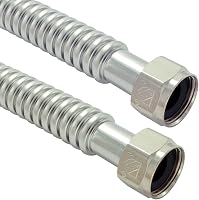
The TTFLEX set suits installations that need two 24-inch flexible connectors with 1-inch FIP fittings. The connectors are corrugated stainless steel and are separate from the valve, so confirm that the fittings match your plumbing and that the length works in the available space.
Skip these connectors if your system needs a different fitting type, size, or length. They don’t change the valve’s fit requirements or route water around the softener.
The Aquasana WS-STD-INSTALL kit is an add-on for Aquasana’s whole-house filter and softener system. It suits an owner completing that system’s installation, not someone looking for a replacement bypass valve.
Skip it if you need a bypass part or have a different system. Check your Aquasana model and installation instructions to confirm the kit fits your setup.
How should you set up and care for the bypass valve?
Set up or replace a valve only when you can safely shut off water and follow the system’s instructions. If the connections are unclear or you can’t confirm that the line is depressurized, have a qualified plumber handle the work.
Before opening a connection, identify the inlet, outlet, and bypass path from the manual. Keep the correct clips, adapters, and seals together, and confirm the valve’s required parts before starting.
After service, move the valve back to the service position in the order the manual specifies. Check around the valve and nearby fittings for drips, then confirm that water is passing through the softener as intended.
For ongoing care, inspect visible connections when you perform routine maintenance and keep the manual available for the valve positions. Don’t force a handle, disassemble a pressurized connection, or use an unverified replacement part.
What mistakes should you avoid with a water softener bypass valve?
The most common buying mistake is choosing by brand alone. Confirm the exact model and valve size, since compatible brands can have systems with different valve bodies.
Another mistake is assuming that clips and adapters are included. The Kenmore 7278434 needs separate clips and adapters, while the 7345396 kit includes those pieces and O-rings.
Don’t confuse a water line connector or installation kit with a bypass valve. Connectors join plumbing; the bypass valve changes whether water flows through or around the softener.
Finally, don’t leave the unit in bypass after service unless you intend to send untreated water through the home. Mark the service position in your notes if you’re likely to forget which way to return the valve.
Which bypass valve option should you choose?
Choose the 7345396 kit if your softener uses the compatible 1-inch high-flow valve and you want the included adapters, clips, and O-rings. Choose the Kenmore 7278434 only if your system uses the matching 3/4-inch non-threaded style and you have the required separate fittings.
Choose the TTFLEX connectors for a compatible installation that needs 1-inch FIP water lines, and choose the Aquasana kit only for the matching Aquasana system. If you can’t confirm your valve size or model, use the manual or ask a plumber before ordering.
For help deciding what equipment belongs in a full setup, see the guide to water softener systems for home use. A matching water softener bypass valve keeps service manageable while sending water through the softener during normal operation.
Frequently asked questions
Can I use water while a softener is in bypass?
Usually, yes. A bypass valve sends water around the softener, so household plumbing can still receive water while the unit is isolated.
That water won't be softened by the unit.
Check your system manual, since valve layouts and directions differ.
When should I put my water softener in bypass?
Use bypass when the softener needs service, cleaning, repair, or isolation, following the manual's steps. It can also help you compare water with and without treatment.
Return the valve to service when the work is finished and check for leaks.
Are water softener bypass valves universal?
No. Fit depends on the valve body, connection size, adapter style, and model.
Some parts fit 3/4-inch valves while others are for 1-inch systems, and clips or adapters may be separate.
Match the replacement to your system manual and existing connections.