Water Softener Not Working? What to Check First
If your water softener is not working, check bypass, power, salt, and the display before buying parts. Match any replacement to your exact valve style or model, and call a technician for leaks, wiring problems, or repeated failures.
On this page (7 sections)
- What should you check first when a water softener is not working?
- Why is the water still hard after the basic checks?
- What if the softener has power but won't regenerate?
- Could dirty resin or iron buildup be the cause?
- When should you stop troubleshooting and call for help?
- How can routine care help prevent another failure?
- What should you do if your water softener is still not working?
If your water softener is not working, check bypass, power, salt, and the display before buying parts. A simple setting or salt bridge can interrupt softening, while leaks and repeated errors may need a technician.
Start with visible, low-risk checks. Use your model's manual for resets, cleaning, and repairs because controls and valve layouts vary.
What should you check first when a water softener is not working?
Check the bypass position, power, salt level, and display first. These checks can reveal whether water is flowing around the unit, the controls are off, or the softener needs attention.
- Compare the bypass position with your manual.
- Check that the unit is plugged in and its display is on, if it has one.
- Look for salt and a possible bridge in the brine tank.
- Read any error code in the manual before changing settings.
- Check for drips, wet fittings, or standing water around the unit.
Don't open the control head or disconnect plumbing just to inspect it. If you see a leak or damaged wiring, stop and contact a qualified professional.
Can a bypass valve make a water softener seem like it is not working?
Yes. Water routed through bypass can reach your home without passing through the softener.
Compare the valve's position with the unit manual, and move it only if the manual clearly explains how.
A bypass valve may be a lever, knob, or pair of valves. See what a water softener bypass valve does for a basic explanation.
The Kenmore 7278434 fits 3/4 in softener valves, not the larger 1 in control valve. It uses clips and adapters for plumbing connections, and those parts are sold separately.
Choose it only if your valve size and connection style match. Skip it if you need a threaded bypass, a larger valve, or aren't sure which valve body you have.
Why is the water still hard after the basic checks?
Water that still seems hard may point to a missed regeneration, a wrong setting, or a softener that isn't drawing brine. Check the hardness setting and regeneration schedule in your manual before starting a cycle.
Soap behavior and scale can suggest a change, but they don't measure hardness. Use a home test and compare its result with the softener's settings if you're unsure.
Our guide to testing water hardness at home explains the process. You can also compare options in water hardness test kits for home use.
A power loss can interrupt a scheduled regeneration or change the clock. Check the display and time settings rather than changing the hardness setting to compensate for an unidentified issue.
How can you tell if the brine tank has a salt bridge?
A salt bridge is a hard crust above an open space in the brine tank. It can make the tank look full even though salt below the crust isn't reaching the water.
Use a flashlight to inspect the surface without leaning on or reaching into the tank. If you suspect a bridge, follow the steps to fix a water softener salt bridge and avoid sharp tools that could damage the tank.
This kit includes 4 clips, 4 O-rings, and silicone O-ring lubricant. It fits many brands, including Kenmore, GE, Whirlpool, and EcoWater, but not high-flow control valve styles.
Choose it when the part numbers and valve type match your system. Skip it if your unit uses a high-flow valve or you can't confirm compatibility.
What if the softener has power but won't regenerate?
Check the timer, error display, and regeneration settings in the manual. If the controls are lit but the unit won't start a cycle, the problem may involve a setting or a component that needs model-specific diagnosis.
Don't repeatedly start manual cycles without understanding the display. Note any error message and when the problem began, especially if the softener stopped after a power interruption.
If the unit starts but doesn't draw brine, check for a salt bridge and look for visible blockage only where the manual permits. A nozzle and venturi assembly may be relevant on some models, but part numbers and installation steps differ.
The TERGTIRY assembly is compatible with several brands, including EcoWater, Whirlpool, Kenmore, GE, and Rheem. It replaces specified part numbers, so match your model and existing part number before ordering.
Choose it if the unit's diagnosis points to this assembly and the part numbers match. Skip it if you're guessing at the cause or aren't comfortable shutting off water, disconnecting power, and reconnecting parts.
Could dirty resin or iron buildup be the cause?
Fouled resin can affect softener performance, but cleaner won't fix every failure. Check bypass, power, salt, and regeneration first, then use a cleaner only if the manual allows it.
Iron and other material can build up in a resin bed over time, depending on the water and system. If the unit runs but performance has declined, read how to clean a water softener and follow your unit's instructions.
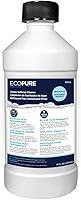
Res Care is designed to clean resin affected by iron, manganese, and metal particles. Its directions allow adding it to the brine well or salt tank, but check your system instructions for the method and amount.
Choose it when resin fouling is a likely issue and your manual allows cleaner.
Skip it when the problem is a broken valve, lost power, or bypass setting. If performance drops again soon after cleaning, ask a technician to check the unit and water conditions.
When should you stop troubleshooting and call for help?
Call a qualified plumber or softener technician for a leak, damaged wiring, cracked tank, or valve that won't move safely. These problems can involve plumbing or electrical work beyond basic checks.
Get help if the unit repeatedly fails to regenerate, shows an error you can't resolve from the manual, or sends water to the drain continuously. Keep the model number and error message ready when you contact support.
Don't take apart the control head or force fittings loose. A repair can cause a leak or damage a part that's hard to identify without model information.
How can routine care help prevent another failure?
Regular inspection can catch low salt, a bridge, or a visible leak early. Check the unit on the schedule in its manual and keep the area around it clear.
Use the water softener maintenance checklist to track the brine tank, salt use, regeneration, and recurring error messages.
If you still notice scale or suspect a change in hardness, test the water before adjusting settings. For upkeep steps after the immediate issue is resolved, see how to clean a water softener.
What should you do if your water softener is still not working?
If your water softener is still not working, confirm bypass, power, salt, and settings, then use the manual to interpret any error or regeneration problem. Clear a suspected salt bridge only by following the unit's instructions, and get professional help for leaks, wiring issues, or repeated failures.
Choose a replacement part only when its part number and valve style match. For continued upkeep, use the water softener maintenance checklist.
Frequently asked questions
Why is my water softener not using salt?
A softener may not use salt if it is in bypass, the brine tank has a salt bridge, or the unit isn't regenerating. Check the control display and manual, then look for a hard crust above the water in the tank.
Don't break parts or reach into the tank with a sharp tool.
How do I know if my softener is in bypass?
Check the bypass handle or valves where the plumbing connects to the softener, and compare their position with the manual. The correct position varies by model.
If you aren't sure, avoid forcing a handle and contact the installer or manufacturer for model-specific instructions.
Can a water softener stop working because of a salt bridge?
Yes. A salt bridge is a hard crust that can form above the water in the brine tank, leaving an empty gap below it.
The softener may appear to have salt while it cannot draw brine as expected.
Follow the manual's safe steps to clear it.
When should I call a plumber about a water softener?
Call a qualified plumber or softener technician if you find a leak, damaged wiring, a cracked tank, or a valve that won't move safely. Get help if the unit keeps failing after basic checks, since control and plumbing repairs depend on the model and installation.