Aquasure vs Aquasana Water Softener: Which Is Better? (November 2026)
Choose Aquasana for its NSF/ANSI 44 certification and stated metered-mode savings; choose Aquasure if you want an included pre-filter. The 40,000-grain models have different strengths, and Aquasure also offers a 48,000-grain option.
On this page (7 sections)
- Aquasure vs Aquasana: what is the main difference?
- Which Aquasure or Aquasana softener fits your household?
- Does either system include filtration?
- How do their controls and efficiency claims compare?
- How should you plan installation and setup?
- What mistakes should you avoid when comparing these brands?
- Aquasure vs Aquasana: which should you choose?
For aquasure vs aquasana, choose Aquasana for NSF/ANSI 44 certification and stated metered-mode savings, or Aquasure if you want a pre-filter included. Both brands offer a 40,000-grain whole-house softener, while Aquasure also has a 48,000-grain option.
Aquasure describes its Harmony 40,000-grain model for homes with 3–4 bathrooms and up to 4 people. Aquasana describes SimplySoft as suitable for up to 5 people and 4 bathrooms.
Their controls and included equipment differ. This guide explains how to match those differences to your household, water test and installation plan.


Aquasure vs Aquasana: what is the main difference?
Aquasana emphasizes certification and metered-mode efficiency claims; Aquasure includes a sediment/GAC/zinc pre-filter with its 40,000-grain model. Their same-capacity systems target hardness reduction, so compare the features you will use rather than picking by brand name alone.
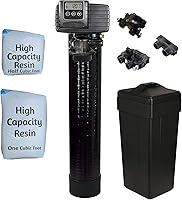
Aquasana SimplySoft is IAPMO certified to NSF/ANSI Standard 44 for reducing water hardness and to CSA B483.1. The Aquasure Harmony 40,000-grain version includes a triple-purpose sediment, GAC and zinc pre-filter.
Aquasana gives a maximum flow rate of 15.5 GPM. Aquasure's 40,000-grain model does not have a stated flow rate, so ask about expected flow if that figure matters to your plumbing plan.
For a broader look at how system features vary by brand, read our guide to water softener brands. It can help you compare options beyond the names on the tanks.
Which Aquasure or Aquasana softener fits your household?
Aquasure describes its 40,000-grain model for up to 4 people and 3–4 bathrooms; Aquasana gives a wider fit of up to 5 people and 4 bathrooms. Treat those figures as starting points, then size the system using your water hardness and household demand.
A grain rating describes stated softening capacity. It does not tell you by itself how often a system will regenerate in your home, because water use and hardness both affect capacity use.
If you have high water use or very hard water, do not assume a 40,000-grain system will be enough. Read our guide on how many grains of water softener you need and compare its sizing steps with your household's needs.
How does Aquasure vs Aquasana capacity compare?
The two 40,000-grain models have equal rated capacity, while Aquasure's larger Harmony has a 48,000-grain rating. That extra capacity can be useful when your sizing needs call for it, but it is not a reason to buy a larger system without checking your water use.
Aquasure's 48,000-grain model also has a programmable digital metered head and an included sediment/carbon/zinc pre-filter. Its stated maximum flow rate is 12 GPM, so factor flow into your choice.
Who should choose Aquasure Harmony 40,000?
Choose Aquasure Harmony 40,000 if you want a softener paired with an included sediment/GAC/zinc pre-filter and programmable controls. It suits shoppers whose water treatment plan calls for both hardness reduction and the filtration functions Aquasure describes.
Skip it if your main priority is a published NSF/ANSI 44 certification or a published maximum flow rate for the 40,000-grain unit. Aquasure does not provide that flow figure here, and the included pre-filter should not be treated as a substitute for testing water for every contaminant.
Who should choose Aquasana SimplySoft?
Choose Aquasana SimplySoft if certification for hardness reduction, a stated 15.5 GPM flow rate or its metered-mode efficiency comparisons matter most. Its stated household fit extends to 5 people and 4 bathrooms.
Skip it if you want a pre-filter in the base system. Aquasana's optional pre-filter is sold separately as part of its Softener Installation Kit, so account for that when planning filtration and installation.
Does either system include filtration?
Aquasure Harmony 40,000 includes a sediment/GAC/zinc pre-filter; Aquasana SimplySoft's optional pre-filter is separate. A softener reduces hardness minerals, while filtration addresses other water concerns, so choose based on your water test.
Aquasure describes its pre-filter as reducing chlorine, VOCs, PFAs, odors, taste, soil, silt, sand, rust and sediment. Those are the brand's stated functions, not a reason to assume it removes every substance in your water.
Aquasana recommends an optional pre-filter included with its separate Softener Installation Kit. If you use well water, test it and identify specific concerns before choosing filtration.
Our guide to water softener and filter combos explains how combined systems differ. For a private well, see our overview of whole-house water filters for well water.
Is Aquasure or Aquasana a better choice for well water?
Aquasana says SimplySoft can be used with city or well water, but either brand still needs to match your test results. A softener handles hardness through ion exchange; other well-water issues can call for separate treatment.
Aquasure's general Harmony information discusses iron limits for certain versions, but it does not guarantee the iron capability of this exact 40,000-grain model. Do not assume its pre-filter or softener solves an iron concern without checking the model's documented limits.
If iron is a concern, start by testing the water and reviewing the exact system details. Our guide to water softeners for iron in well water explains why hardness treatment and iron treatment are not interchangeable.
How do their controls and efficiency claims compare?
Both 40,000-grain systems use metered controls, while Aquasana gives specific salt and water savings comparisons for metered operation. Aquasure describes a programmable digital control head but does not provide matching savings figures.
Aquasana states that SimplySoft uses 50% less salt and 28% less water in metered mode than standard time-based regenerated softeners. These are comparative claims, not a promise of the amount your household will save.
Aquasure's backlit digital display lets you customize automatic flush intervals based on incoming water quality and use. Aquasana's LCD displays time, regeneration modes and gallons remaining.
After installation, follow the model's instructions to enter the correct hardness and household-use settings. Incorrect settings can make regeneration poorly matched to your water conditions.
How should you plan installation and setup?
Measure the installation area, check access and plumbing needs, and read the setup instructions before choosing either system. The Aquasana base system measures 30 x 16 x 43 inches, while Aquasure Harmony 40,000 is listed at 9 x 9 x 55 inches.
Aquasana weighs 92 lb. Aquasure Harmony 48,000 is 120 lb and measures 10 x 10 x 62 inches, so check the path to the installation spot as well as the final footprint.
Plan for the plumbing connections, drain access and power requirements in the installation instructions. A narrow footprint does not guarantee an easy fit if the unit is tall or the service area is difficult to reach.
Aquasure Harmony 40,000's description has inconsistent model details. Confirm the exact model name, included components and installation requirements before arranging space or plumbing.
Read our practical guide to where to install a water softener before settling on a location. If you plan to hire an installer, our guide to water softener installation costs can help you prepare questions.
What should you do after setup?
Test your water, program the controls from the results, and check the system on the schedule in its manual. A measured hardness value gives you a sounder starting point than a guess.
Use our step-by-step guide on how to test water hardness at home to learn what to measure. Enter settings as instructed for your model, then watch for the displayed regeneration information and keep the salt supply maintained if the system requires it.
Avoid changing control settings based on a single symptom without checking the manual and water results. If water remains hard, confirm the system is set up correctly and that its capacity fits your household.
What mistakes should you avoid when comparing these brands?
Do not choose by grain rating alone, treat a softener as a universal filter, or assume every model has the same features. These shortcuts can leave you with the wrong capacity or missing treatment.
First, avoid sizing only by bathroom count. Household size, actual water use and hardness all affect whether a 40,000-grain rating is a suitable match.
Second, do not assume the Aquasure 40,000 and 48,000 models have identical specifications. The larger model has a stated 12 GPM maximum flow rate; the 40,000-grain model does not have a stated flow figure here.
Third, do not budget for Aquasana's base system as if the optional pre-filter were included. Confirm whether you need that extra filtration and what the installation kit contains.
Finally, do not buy a softener to address a water problem you have not identified. Test first, then decide whether you need hardness reduction alone or a separate filter as well.
Aquasure vs Aquasana: which should you choose?
Choose Aquasana for certified hardness reduction, a published flow rate and stated metered-mode savings; choose Aquasure 40,000 for an included pre-filter and programmable controls. Choose Aquasure 48,000 when your water use and hardness point to its higher rated capacity, while keeping its 12 GPM flow figure in view.
If you are still unsure, test your water, estimate household demand and compare the installation space before deciding. For more system options, explore our guide to water softener systems for home use.
Frequently asked questions
Is Aquasure or Aquasana better for a 40,000-grain softener?
Aquasana has IAPMO certification to NSF/ANSI 44 for hardness reduction and states salt and water savings in metered mode. Aquasure includes a sediment, GAC and zinc pre-filter with its Harmony 40,000-grain model.
Choose by the features you value, then check that the system fits your water conditions and household demand.
Do both systems have the same grain capacity?
The Aquasure Harmony and Aquasana SimplySoft models compared here are both rated for 40,000 grains. Aquasure also offers a Harmony rated for 48,000 grains.
Capacity is one part of sizing.
Household water use and incoming hardness affect how quickly a system uses its softening capacity.
Does Aquasana SimplySoft include a pre-filter?
The SimplySoft base tank and cabinet system does not include the optional pre-filter described for its installation kit. Aquasana recommends that optional pre-filter for city or well water use.
Check the kit contents and decide whether that extra filtration fits your water test results.
Can Aquasure Harmony handle well water?
Aquasure Harmony 40,000 is described as treating hardness and includes a pre-filter, but it may not fit every well. Test your water for hardness, iron and sediment before choosing treatment.
Compare results with the exact model's documented limits, and plan separate filtration when your water has concerns the softener is not designed to address.